
Top 15 AI Tools Every Digital Marketer Should Use in 2026

A year ago, half of these tools either didn’t exist or weren’t good enough to bother with. Now? We’re using them every single day, and our clients are asking why their competitors are suddenly publishing twice as much content and running better ads. This is the list we hand to every new client who walks through our door. We’ve tested a lot of tools; some brilliant, most forgettable. What you’ll find below are the ones that actually stuck. The ones our team still opens every morning. We’ve grouped them by what they’re good at so you can jump straight to what your biggest headache is right now.

01. ChatGPT-4o / Claude 3.5 – Content


Yes, everyone’s heard of these. But there’s a difference between people who’ve played with them and people who’ve actually built workflows around them. Use Claude when you need something that sounds like a real human wrote it, it’s surprisingly good at picking up tone and sticking to it.

Use GPT-4o when you need to drop in a screenshot of a competitor’s ad and ask “what’s working here?” Either way, if you’re still writing everything from scratch, you’re leaving hours on the table every week.

02. Jasper AI Content

Think of Jasper as the team version of ChatGPT built for people who have multiple clients, multiple brand voices and more than one person creating content. The Brand Voice feature is the real selling point. You train it once on what a client sounds like and everyone on your team writes in that voice without a lengthy brief every time. It’s not magic, but it does save a genuinely embarrassing number of revision rounds.

03. Surfer SEO + AI – SEO

The old way: write a piece of content, hand it to the SEO person, they mark it up with keywords, you rewrite half of it. The Surfer way: the content is already structured around what Google wants before you finish the first draft. It pulls real-time SERP data and tells you exactly which topics, headings, and NLP terms your article needs. Is the output always perfect? No. But it’s a much better starting point than staring at a blank doc hoping you’ll guess the right structure.

04. Semrush Copilot – SEO

If you already use Semrush, activating Copilot is a no-brainer. It essentially reads your whole account overnight and then tells you what actually needs your attention in the morning; a dropped ranking, a competitor gaining ground on a keyword you own, a technical issue that crept in. Instead of digging through dashboards for an hour, you get a short list of prioritised actions. It won’t replace an experienced SEO strategist, but it’s a pretty decent substitute for a junior analyst.

05. Google Performance Max + AI Bidding – Ads

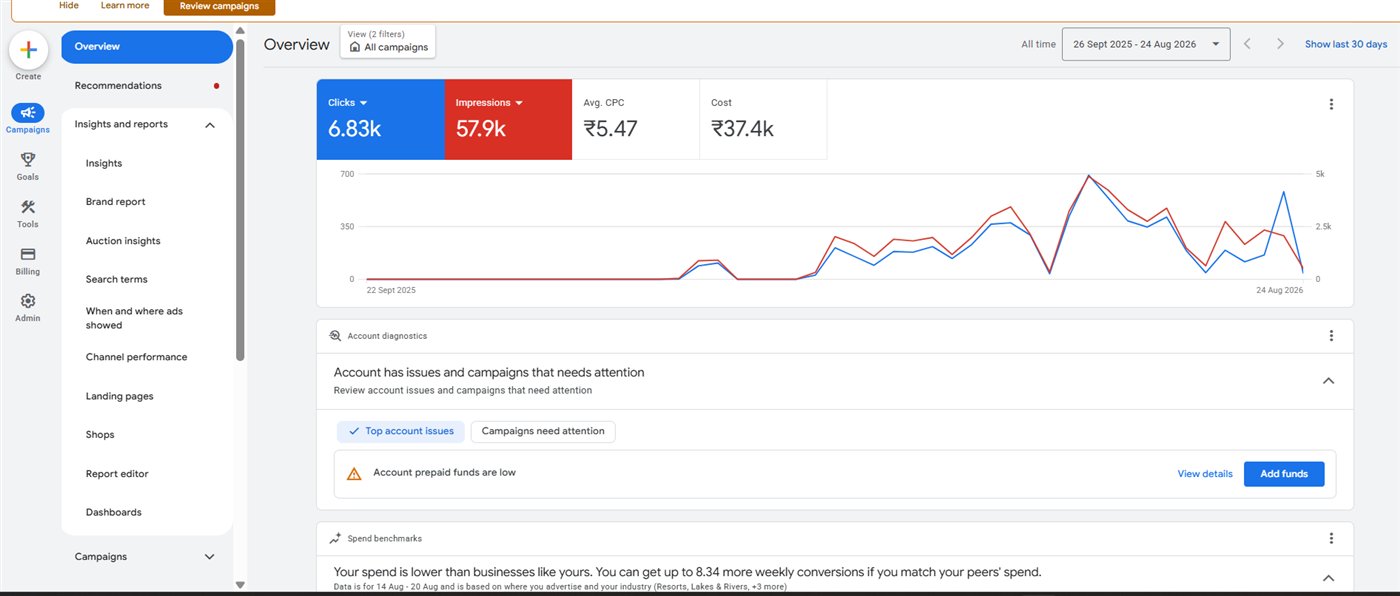
PMax has had a rough reputation, and honestly some of it was earned, early versions felt like handing Google your budget and watching it disappear. But it’s matured a lot. When you feed it strong creative assets, proper audience signals, and a clear conversion goal, Google’s bidding AI is doing things manually that would take a full-time media buyer to replicate across Search, Display, YouTube, and more. The trick is being intentional about what you give it, not just switching it on and hoping.

06. Meta Advantage+ with Andromeda – Ads

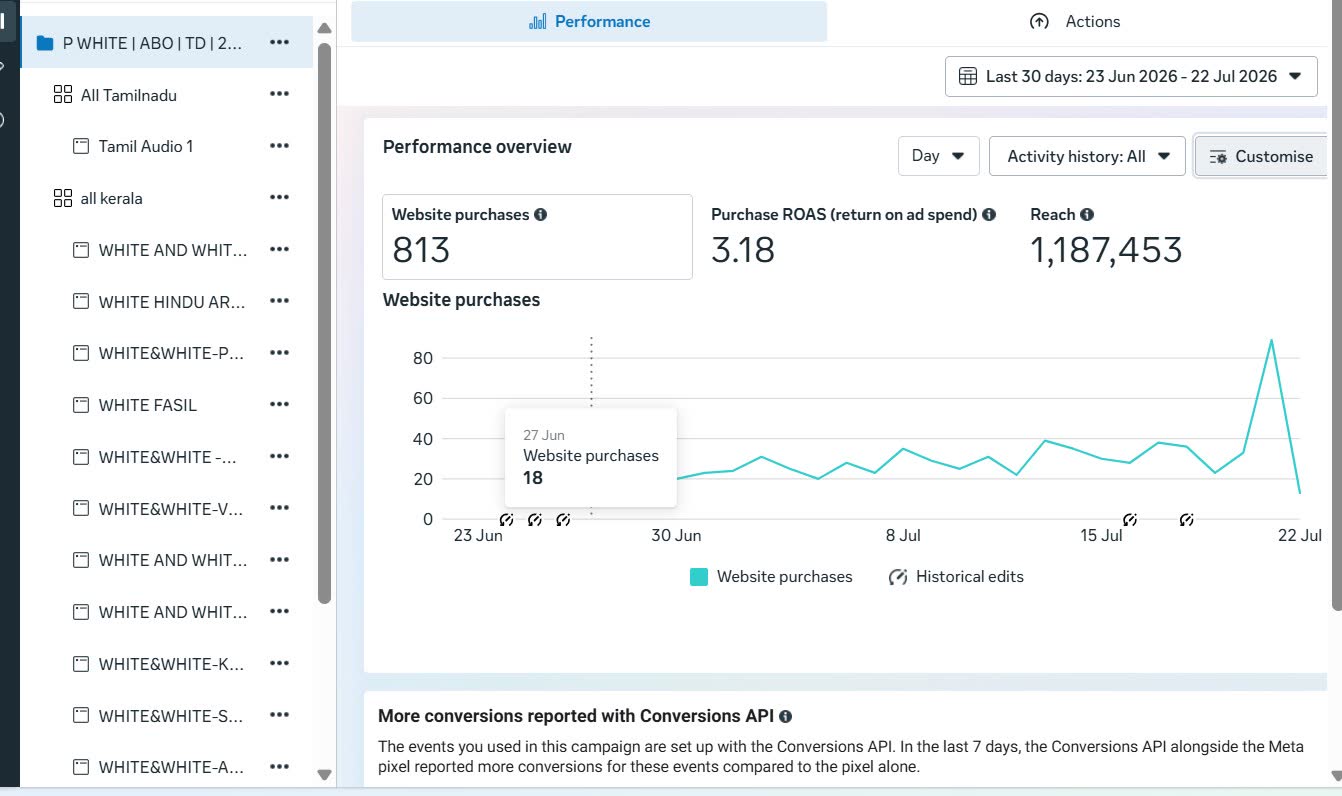
We know, handing control over to Meta’s algorithm feels uncomfortable. But the data doesn’t lie. Clients who’ve leaned into Advantage+ and stopped obsessing over audience targeting are consistently seeing better ROAS than those who spend hours building hyper-specific ad sets. The AI finds the people who buy. Your job is to give it enough creative variety to test different hooks, formats, angles and then trust the process (while keeping a close eye on your frequency caps).

07. Canva Magic Studio – Design

Canva has quietly become something of a creative powerhouse for non-designers. Magic Studio lets you generate images, resize designs across every platform in one click, write captions and even create short video clips all without leaving the same interface. Is it going to replace a skilled designer? Absolutely not. But for a social media manager who needs ten content pieces by Thursday and doesn’t have a creative team on speed dial, it’s genuinely transformative.

08. HubSpot Breeze AI – CRM & Automation

The biggest time sink in most marketing teams isn’t the creative work it’s the operational stuff around it. Writing follow-up emails. Building workflow logic. Summarising a 45-minute sales call before the next meeting. Breeze is HubSpot’s answer to all of that, and if your team already lives in HubSpot, it slots in without any extra learning curve. The result is that strategies that used to sit in someone’s notebook for two weeks actually make it into the CRM by end of day.

09. Klaviyo AI Email

Email is one of those channels that everyone knows is important and almost no one is doing as well as they could. Klaviyo’s AI side of things takes a lot of the guesswork out; when to send, who’s likely to buy next, which subject line will actually get opened, how to split your flows for different customer segments. It’s not that different from having a dedicated email strategist who’s looked at your data all weekend and came in Monday with a list of very specific changes. Except it does that every week, automatically.

10. Hootsuite OwlyWriter AI – Social

Writing platform-native captions sounds simple until you’re doing it for six brands across four platforms every single day. OwlyWriter takes the brief or just a blog post URL and spits out captions tailored to LinkedIn, Instagram, X, and Facebook with the right tone for each. Pair it with Hootsuite’s scheduling AI and your best-time-to-post is figured out for you too. It’s not going to write viral content, but it’ll make sure you never miss a posting day because someone ran out of time.

11. Runway ML / Sora – Video

Six months ago we would have said AI video was “almost there.” Now we’re actively using it for client content. Runway’s Gen-3 is producing short clips that look polished enough for Reels and YouTube Shorts without a production team involved. Sora is still slightly more impressive on quality but less predictable. Either way if you’ve been avoiding video content because it’s too expensive or too slow to produce, that excuse doesn’t hold up anymore. Your competitors have figured this out.

12.Perplexity – Research

Google is still great, but Perplexity is faster for the kind of research marketers actually do competitor positioning, checking what’s trending in a niche, understanding a new industry before writing about it. The difference is it gives you a direct answer with sources attached, instead of a page of links you have to click through individually. We use it at the start of every content brief and before any major campaign strategy session. It’s become the “let me check something quickly” tool of choice for our whole team.

13. Triple Whale AI – Analytics

Attribution is the part of digital marketing that makes grown adults want to throw their laptops. Every platform claims credit for every sale, and figuring out what actually worked is a nightmare. Triple Whale’s Moby AI cuts through it by letting you ask plain-English questions “why did our ROAS tank this week?” and getting back an actual answer that accounts for creative fatigue, shipping delays, spend changes, and more. It’s not perfect, but it’s a lot more honest than Meta’s attribution window telling you everything is working brilliantly.

14. Tidio AI (Lyro) – CRM & Automation

A lot of businesses spend good money driving traffic to their site and then let potential customers sit in a chat widget for 20 minutes waiting for someone to reply. Lyro handles the common stuff; product questions, order status, returns, basic lead capture instantly, around the clock. When something genuinely needs a human, it escalates. The ROI case here is straightforward: faster response times mean more conversions. It’s not glamorous, but it works.

15. Zapier AI + Make – Automation

Here’s the thing about AI tools, they’re only as useful as your ability to connect them to everything else. Without automation, you end up doing a lot of copy-pasting between platforms that completely defeats the purpose. Zapier now lets you describe what you want in plain English and it’ll build the workflow for you. Make is better for more complex, branching logic. Between the two, you can stitch together almost any combination of tools on this list into something that genuinely runs itself. This is the one that ties everything together.

Not sure which ones are right for your business? We’ll figure it out with you.

We’ll look at your current setup and tell you exactly where AI can save you time and money — no jargon, no sales pitch.

Book a Free Chat → So… where do you actually start?

We get this question a lot. Fifteen tools sounds like a lot — and it is, if you try to do them all at once. We’ve seen teams spin up four AI subscriptions in a week and actually end up less productive because nobody knows which tool to use for what. Here’s what actually works:

Pick your biggest pain point first:

Is it content volume? Reporting? Ads performance? That’s your starting point. Solve one real problem before adding the next tool.

Give it a proper 30 days:

Most teams dip their toes in for a week, decide it’s “not quite right,” and move on. AI tools improve dramatically when you actually commit to learning them. Give each one a month.

Garbage in, garbage out:

AI is only as good as what you feed it. A vague brief still produces mediocre content — it just produces it faster. Your prompts and inputs matter more than which tool you use.

Automate the handoffs:

The moment you find yourself copying output from one tool into another manually, that’s Zapier’s job. Set that up before you add any more tools. Measure it properly: Write down where you are before you start — time spent, cost per lead, content output, ROAS. Without a baseline, you can’t tell if any of this is actually helping. The marketers thriving right now aren’t necessarily more talented than everyone else. They’ve just stopped treating AI as a toy to play with on a slow afternoon and started treating it like infrastructure. That’s the shift worth making.